This morning Emily introduced us to our driver, Mowk who will be our guide to Amboseli. We gave Emily a big hug and told her we would see her in a few days back in Nairobi but for now we boarded the Safari vehicle with Mowk at the helm and began our 5 hour drive south to Amboseli.

We drove for a couple of hours on the main road from Nairobi to Mombasa. Mowk told us that Mombasa, the second largest city in Kenya, is a coastal harbor city. Because of this all goods and imports are shipped here and then driven by truck inland so we passed truck after truck and many truck stops during this stretch of the drive.

After turning off this main road between Nairobi and Mombasa we drove another couple of hours with very little traffic at all. Our first stop was at a local tourist shop where we stopped to stretch our legs and take a small break. The path way to the “wash room” as they call it here in Kenya was beautifully landscaped and even had papayas growing on this tree.

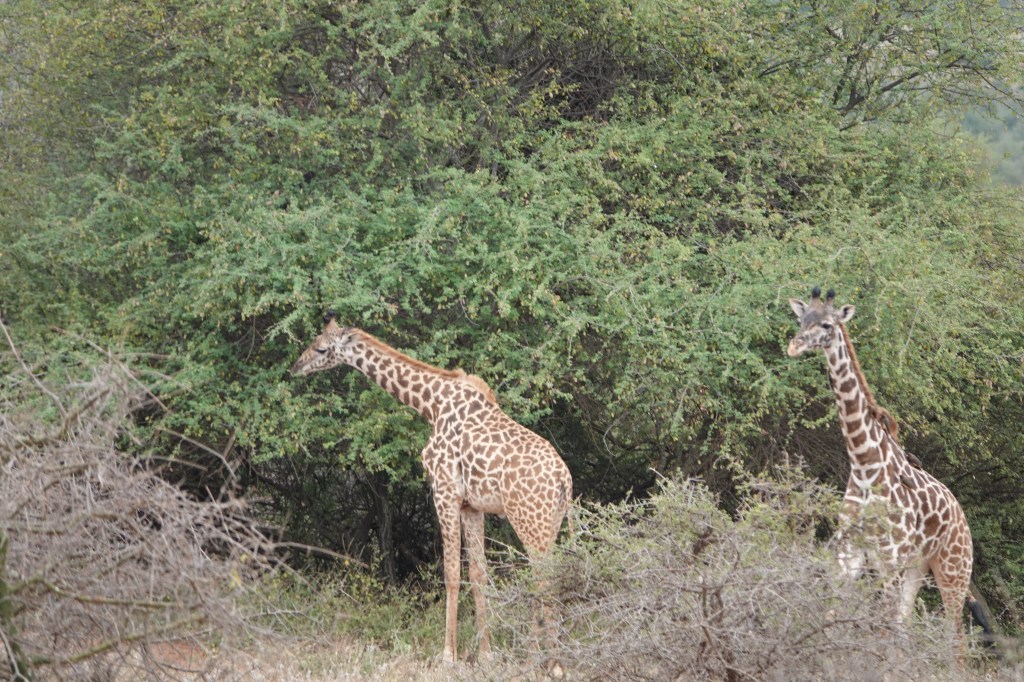
Along this part of the drive Mowk spotted our first animal sighting. William and I were so excited to see the giraffe just along the road side. Mowk, being conscious of his clients needs pulled over on the side of the road, parked, and with the “hakuna matata” attuide allowed us to take our first photographs.

Soon we arrived at the main entrance to Amboseli, Kenya’s National Park known for its large big tusked elephant herds and views of immense Mount Kilimanjaro, across the border in Tanzania. William and I will be joining a group of family members in a few days but we decided to book this private tour of Amboseli prior to meeting up with the group after watching this youtube video – Wildlife Photography Documentary with Klaus Tiedge. This is about an hour long documentary but if you have any interest at all in wildlife photography it is well worth the investment of time and just may prompt you to come to Kenya to visit Amboseli National Park as well.

We are staying at the Amboseli Serena Safari Lodge which is located inside the National Park. The lodge, which is beautiful sits inside an electric fence to protect us from the animals.
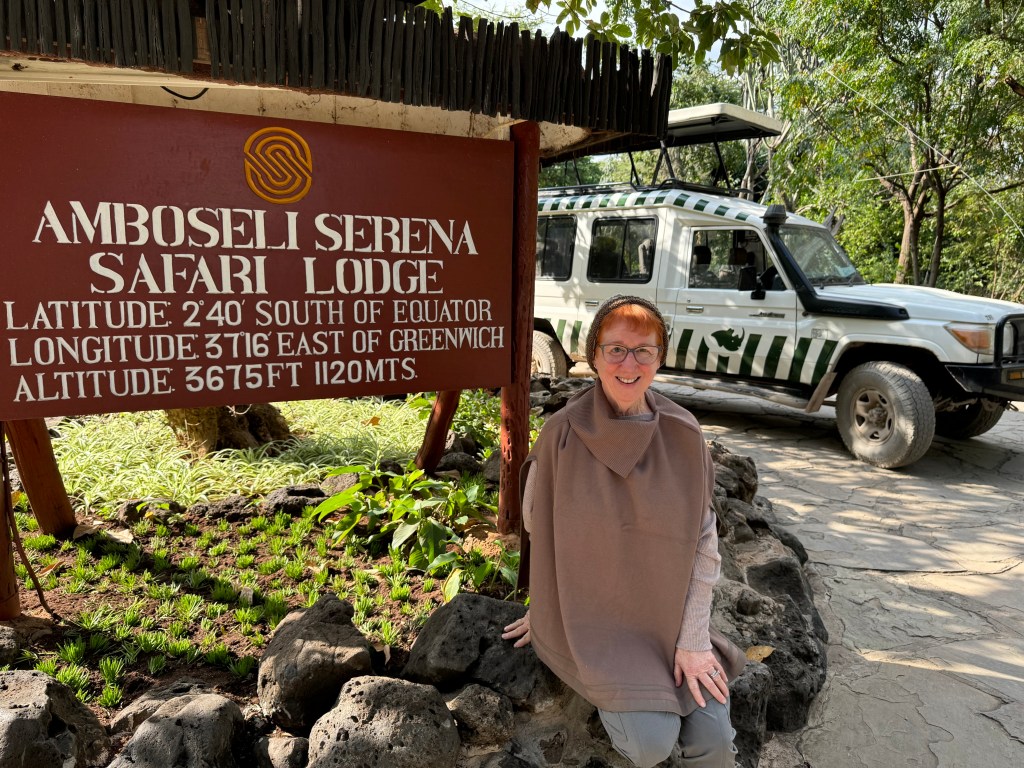


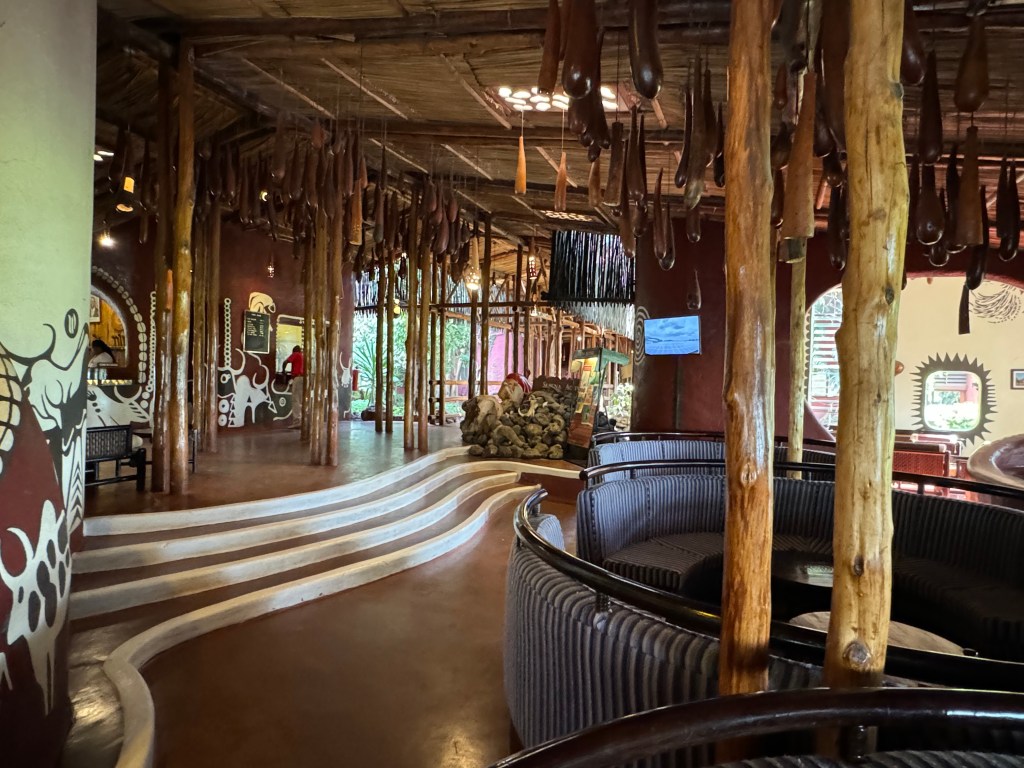
There were several people at the hotel dressed in the authentic Masai Warrior Clothing. Because animals are afraid of the red color the warriors wear it to keep the animals away from their home and herds of cattle.

After a quick and delicious lunch we started out with Mowk on our first afternoon game drive. My desire was to get a picture of an elephant standing in front of Mount Kilimanjaro. Most of the time the mountain which is Africa’s tallest freestanding mountain at 5900 meters is hidden from sight because of the clouds. If you have traveled along with me and William you know that we generally are pretty lucky so here is my very first shot of “Killy” the shy mountain.
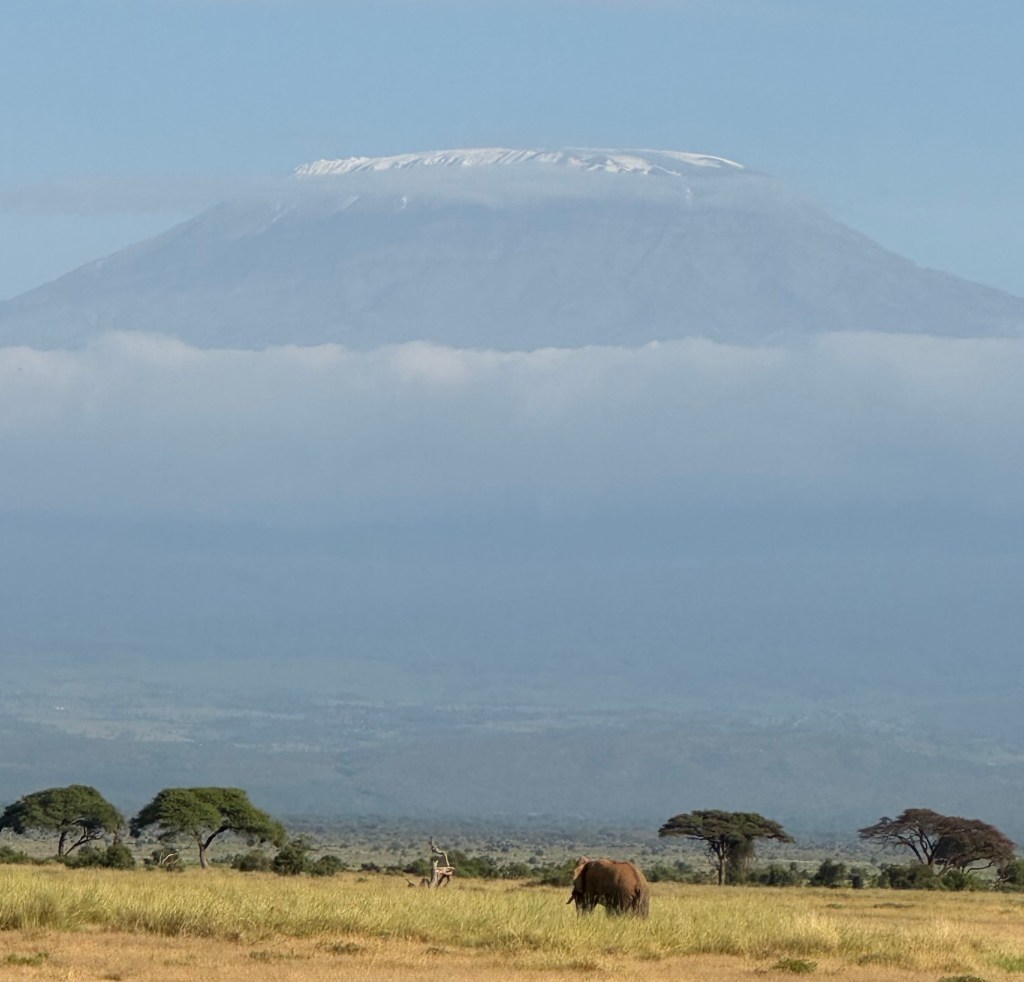
We watched the Elephant Herds move from the swampy area of the park back towards the trees of the mountain for some time and then we continued on our game drive to see what else Amboseli would show us. This is just the first picture but I am sure we will awe you with better as I continue with this posting. Matter of fact, why don’t I just show you some of our favorite pictures right now.

The elephants look dark on the bottom because they have been wading in the swamp feeding on vegetation. The size of an elephant’s tusks is a genetically inherited trait and we were blessed to see this one above. As of today, there are approximately 25 big tuskers left in the world.


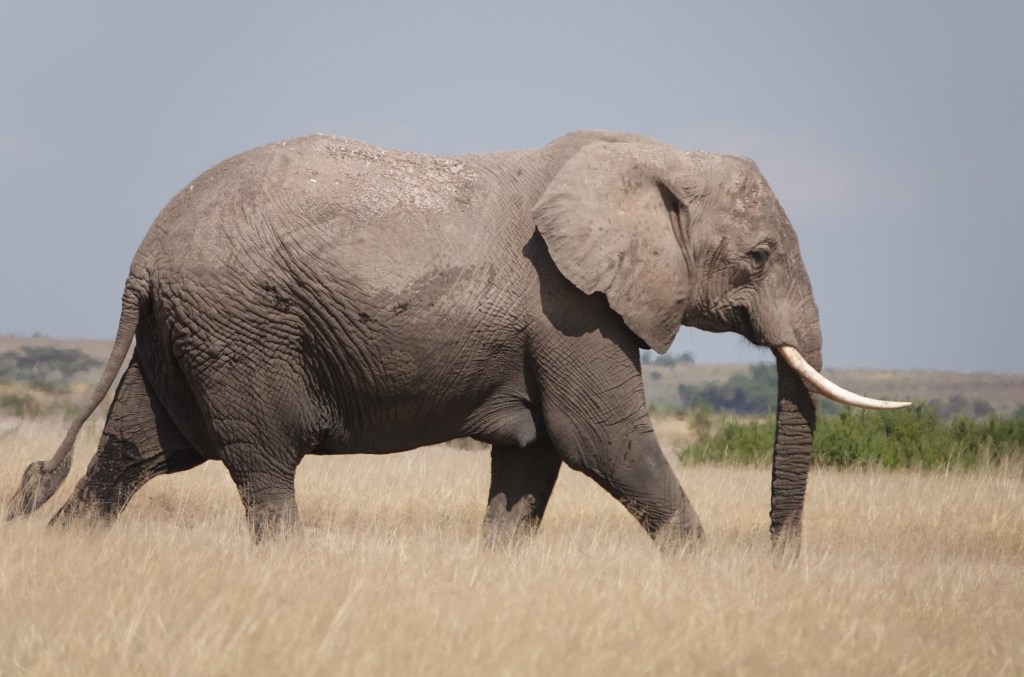
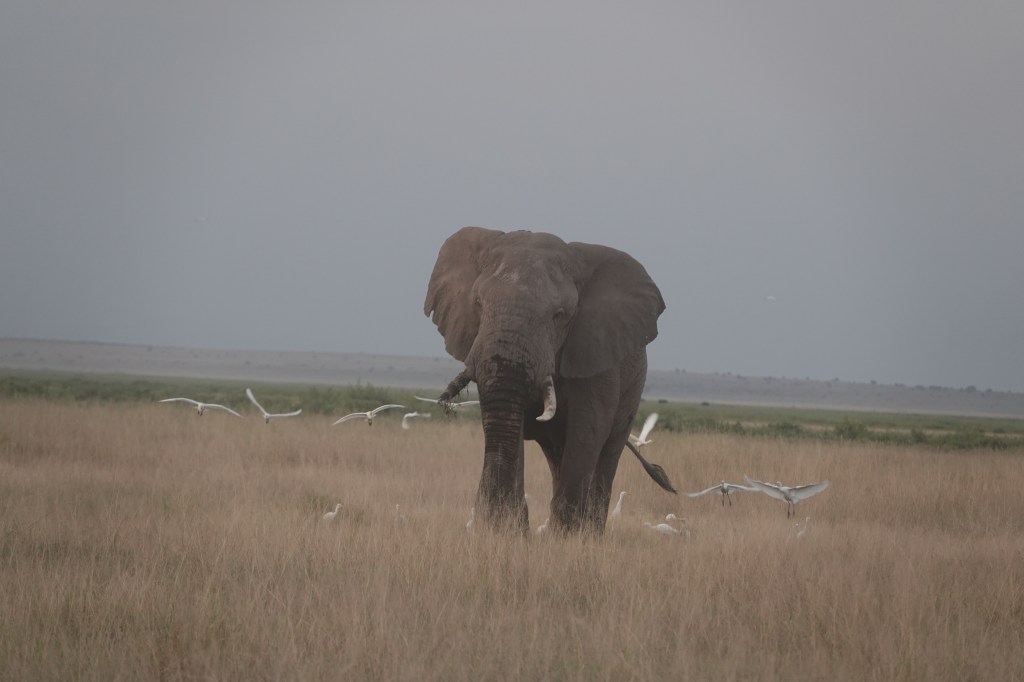
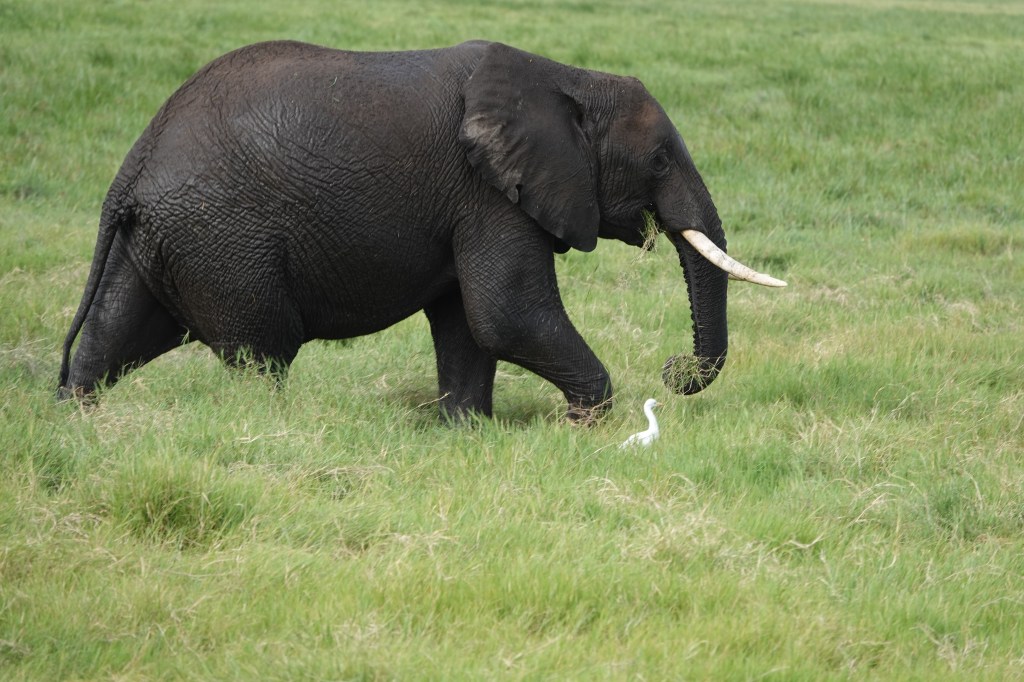
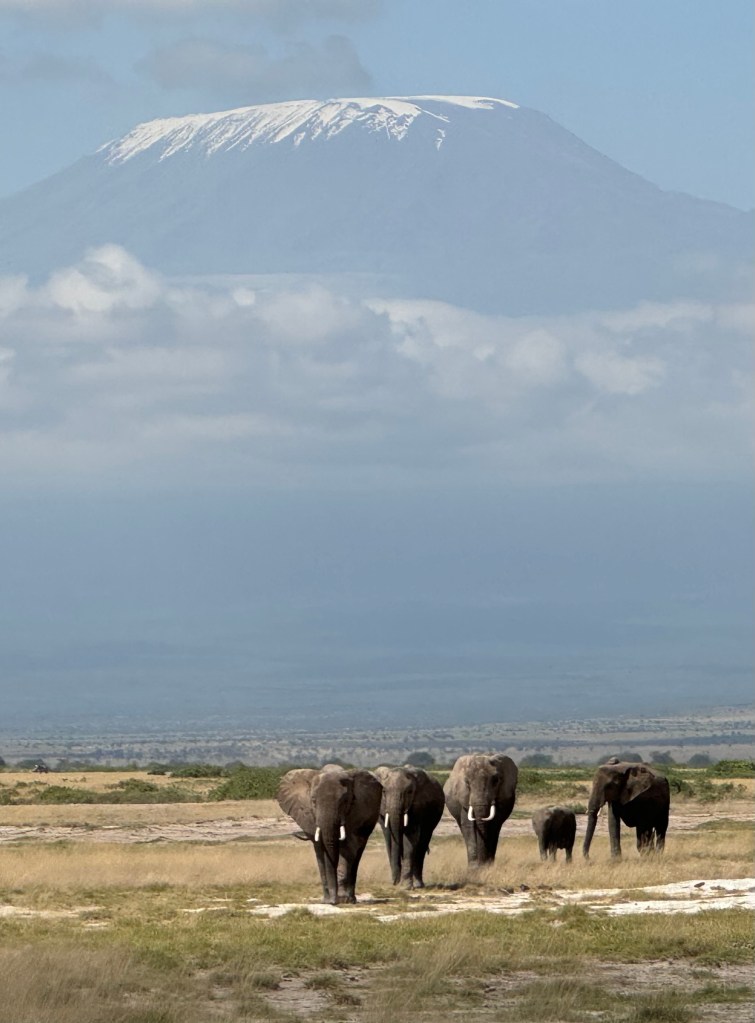
Amboseli is known for it’s over 2000 free roaming elephants and I could show more than one hundred elephant photos but there were so many other animals in this park so I’ll save room for posting pictures of them too.
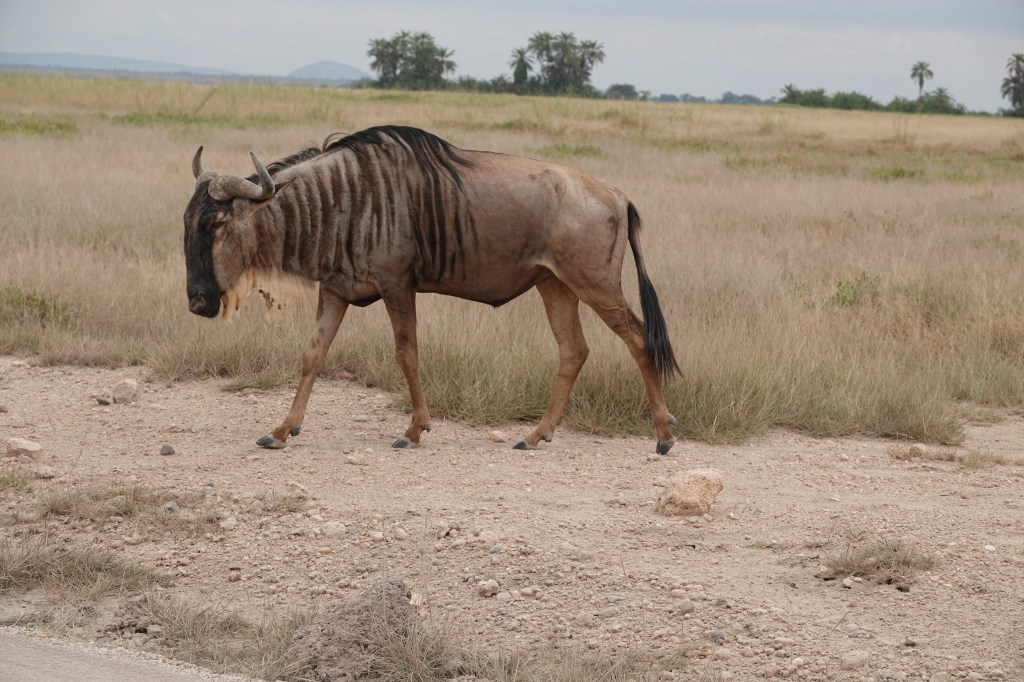
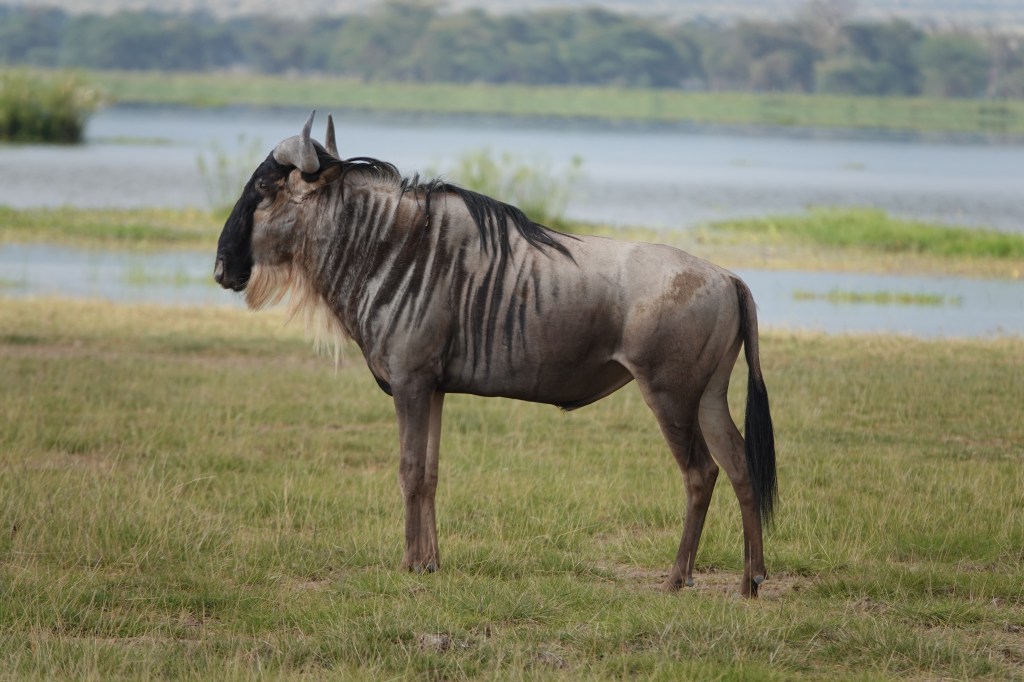
One of my favorite animals is the Wildebeest, also known as a Gnu because of the sound they make. I like the way they are marked and the white beard they have.

I also loved the Gazelles. This is the Thompson’s Gazelle. I love their horns. They have these little groves in the horns and they just look so very pretty to me.


And did I mention that we saw hippos at Amboseli?


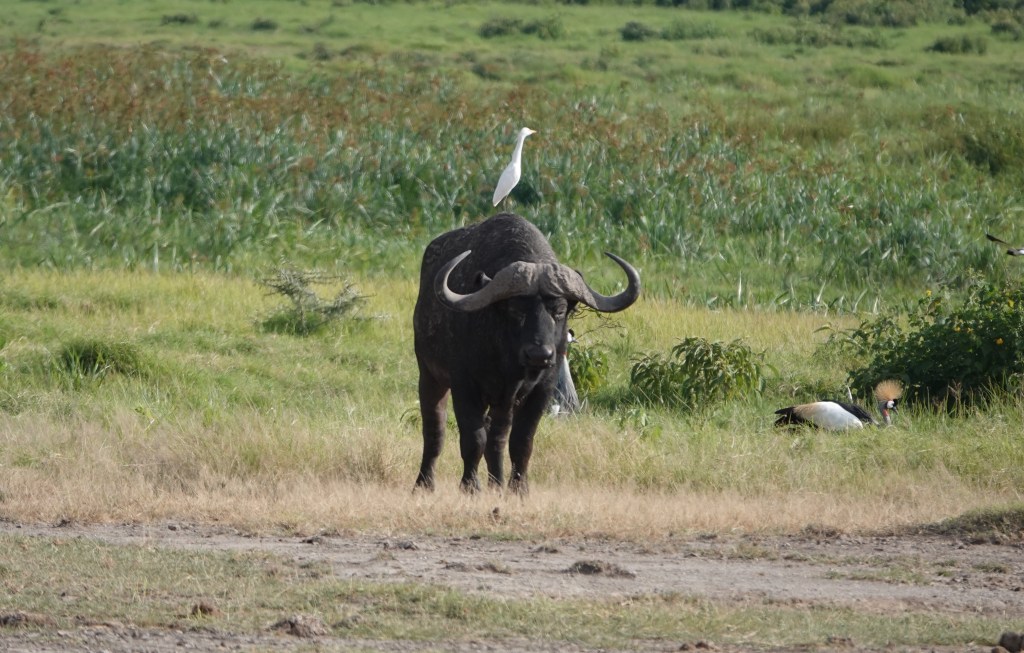
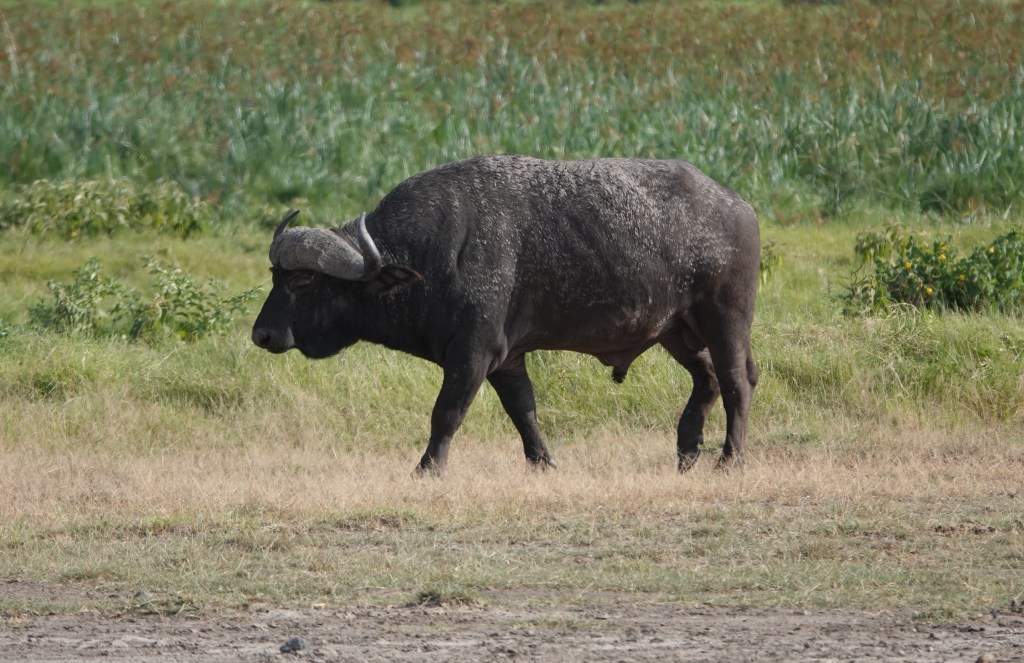
One of the top Five African animals is the Cape Buffalo. Here again Amboseli did not fail.
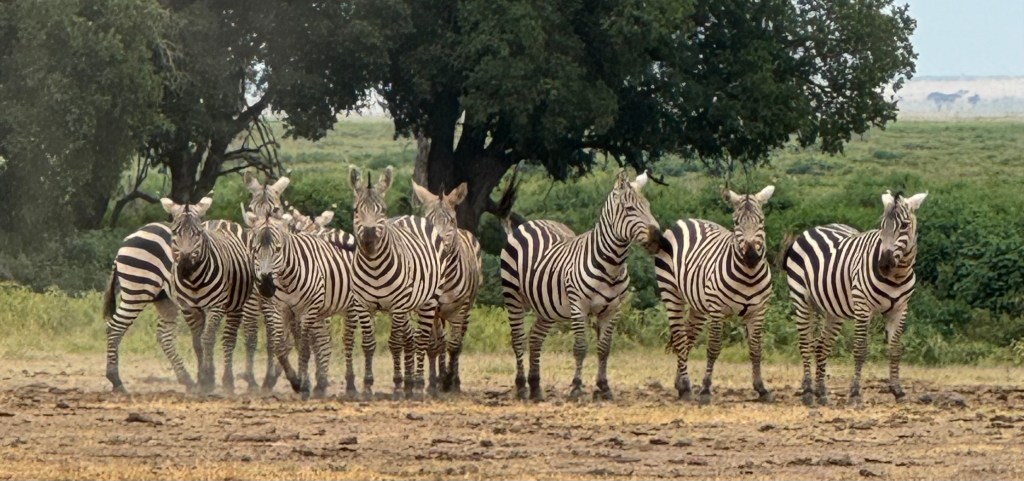
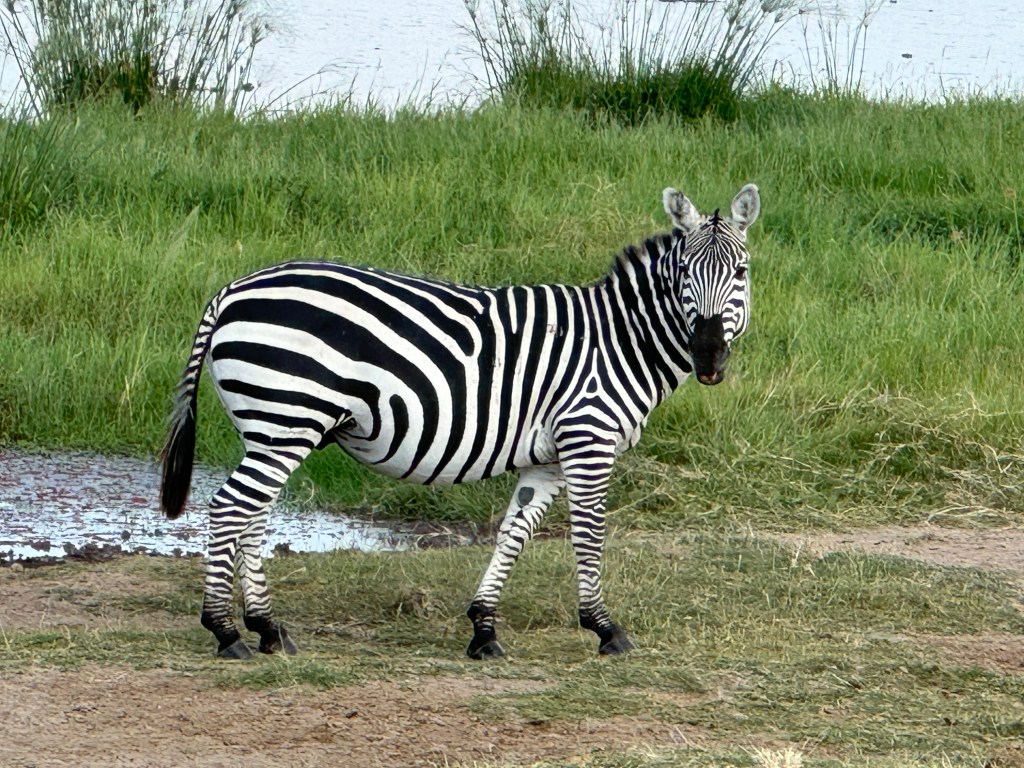
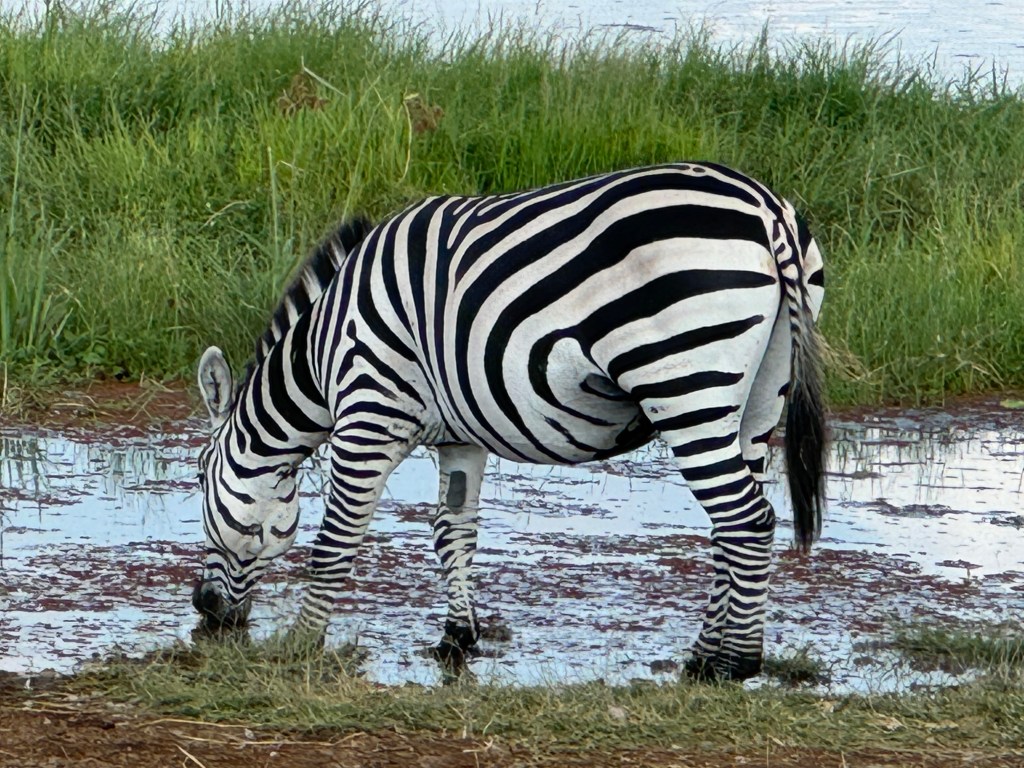
The park was full of Zebras as well
Something you might not think of is Flamingos. The park has both the Lesser flamingo which is pink and the Greater Flamingo which is white. Here are the Lesser Flamingos which most of us are more familiar with but William snapped the best and most amazing picture of the white Greater Flamingos.


We spotted these two Hyena’s resting after feeding on a dead hippo.

We also spotted several wart hogs. It was fun to watch them run and play. They are a member of the domesticated pig family and often called Pumbaa.

There were so many birds too. The colorful Lilac Breasted Rollers below are Kenya’s National Bird
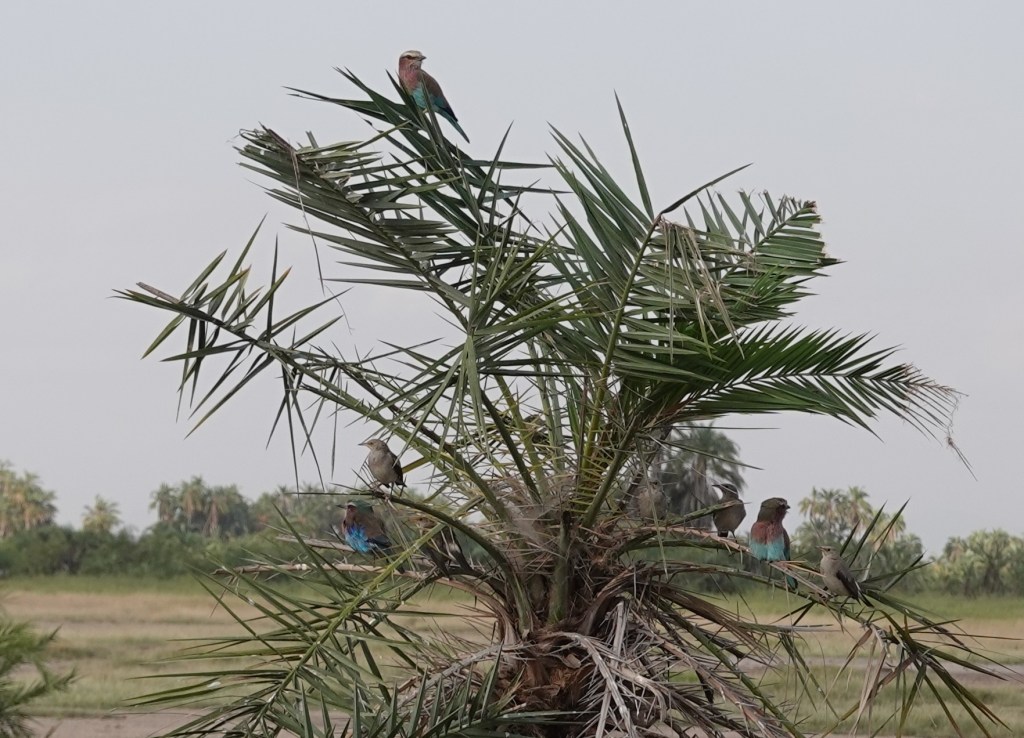
I can’t remember the name of this bird but Mowk took this picture for me. I think it is the Crowned Crane.

And no safari would be complete without seeing a Lion. We saw two male lions after feasting on the kill of Wildebeest.


Tanzania’s dormant volcanic was so picturesque and we will long remember seeing such a great mountain.

William and were sad to leave Amboseli. We saw so many different species of animals here and our game drives completely exceeded our expectations.

The oldest living big tusker in Ambesoli is Craig. And as we left the park we were introduced to Craig’s brother. Can you believe how close we were to him?
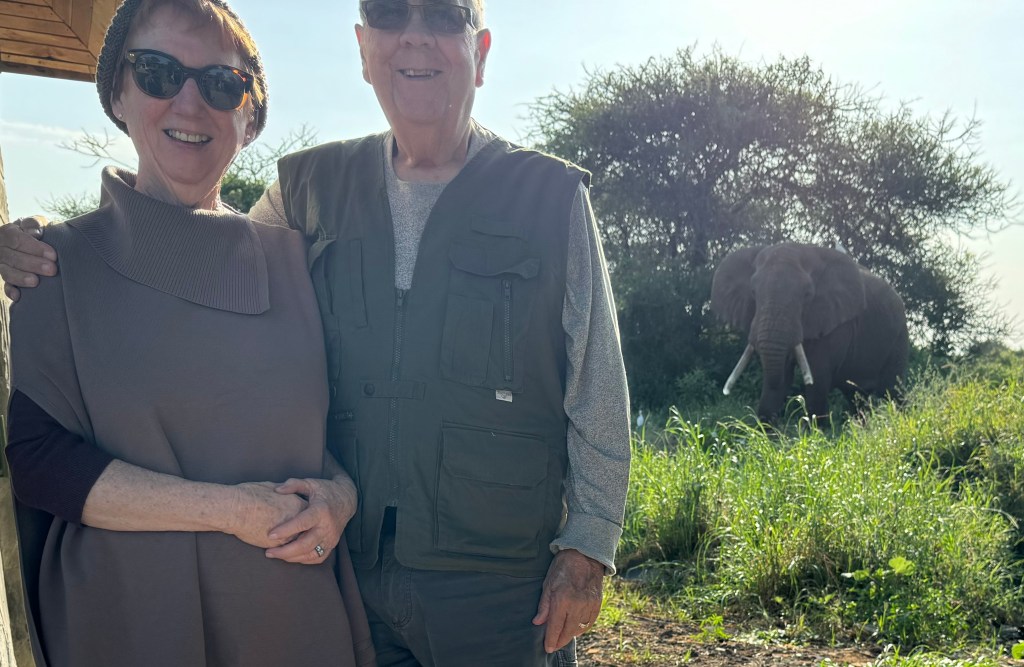
After four wonderful game drives in Amboseli we are heading back to Nairobi where we will meet the rest of our group to continue our exploration of Kenya.
 Leeward Travels
you make this trip unbelievable as you photograph these African animals. It’s almost as if they’re tame but I know that’s not true I can’t wait until you get home and we get the whole story
LikeLike
Just fabulous!!!
LikeLike
Thanks Jill. I can’t believe we are actually having this trip of a lifetime.
Love ya!
LikeLike